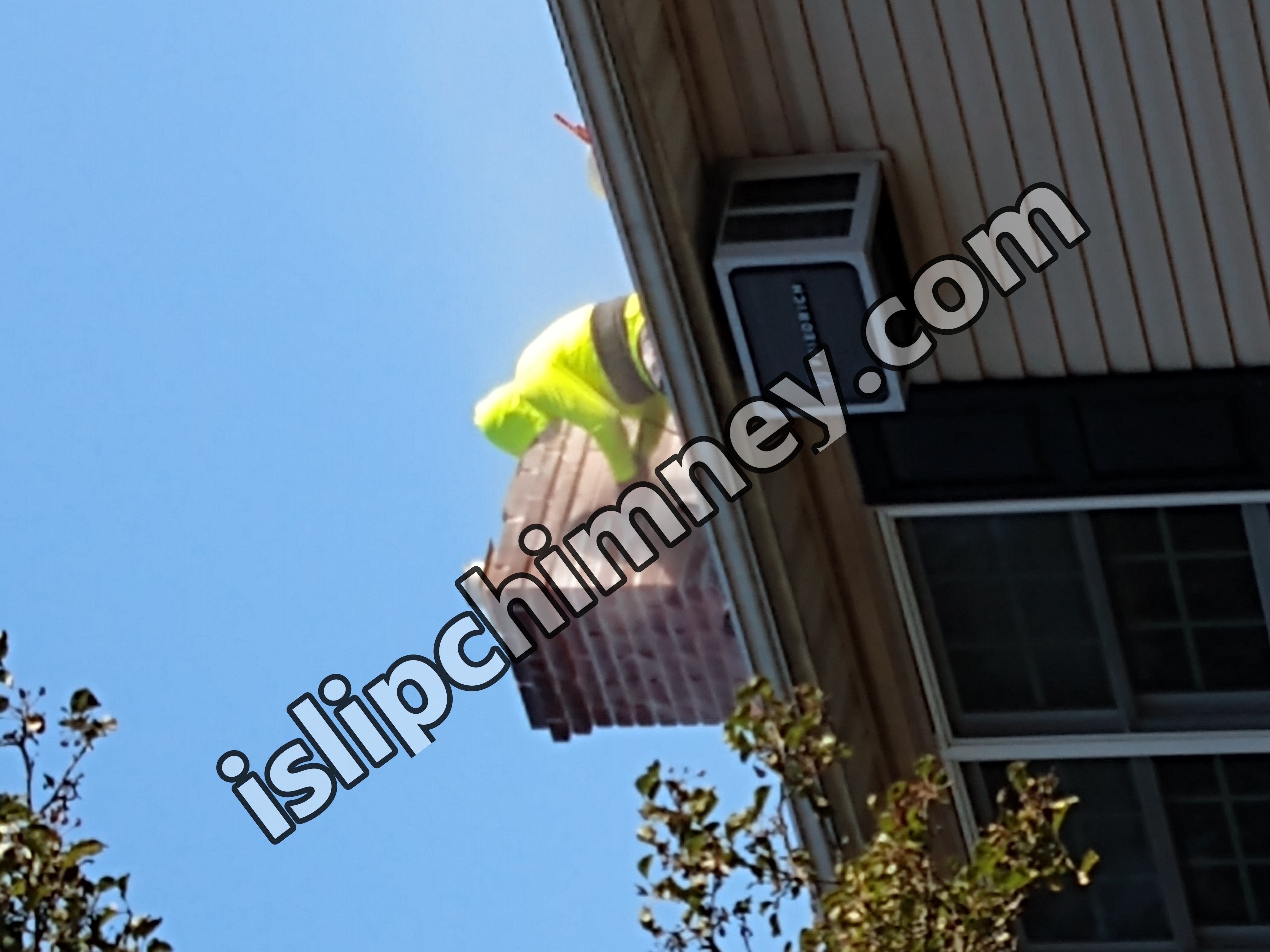
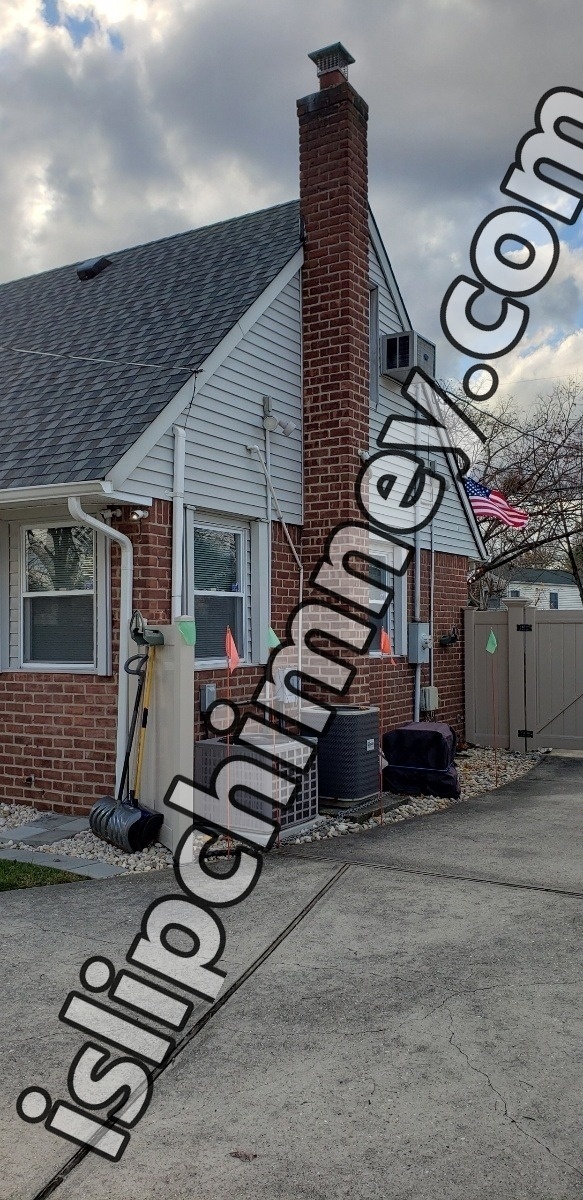
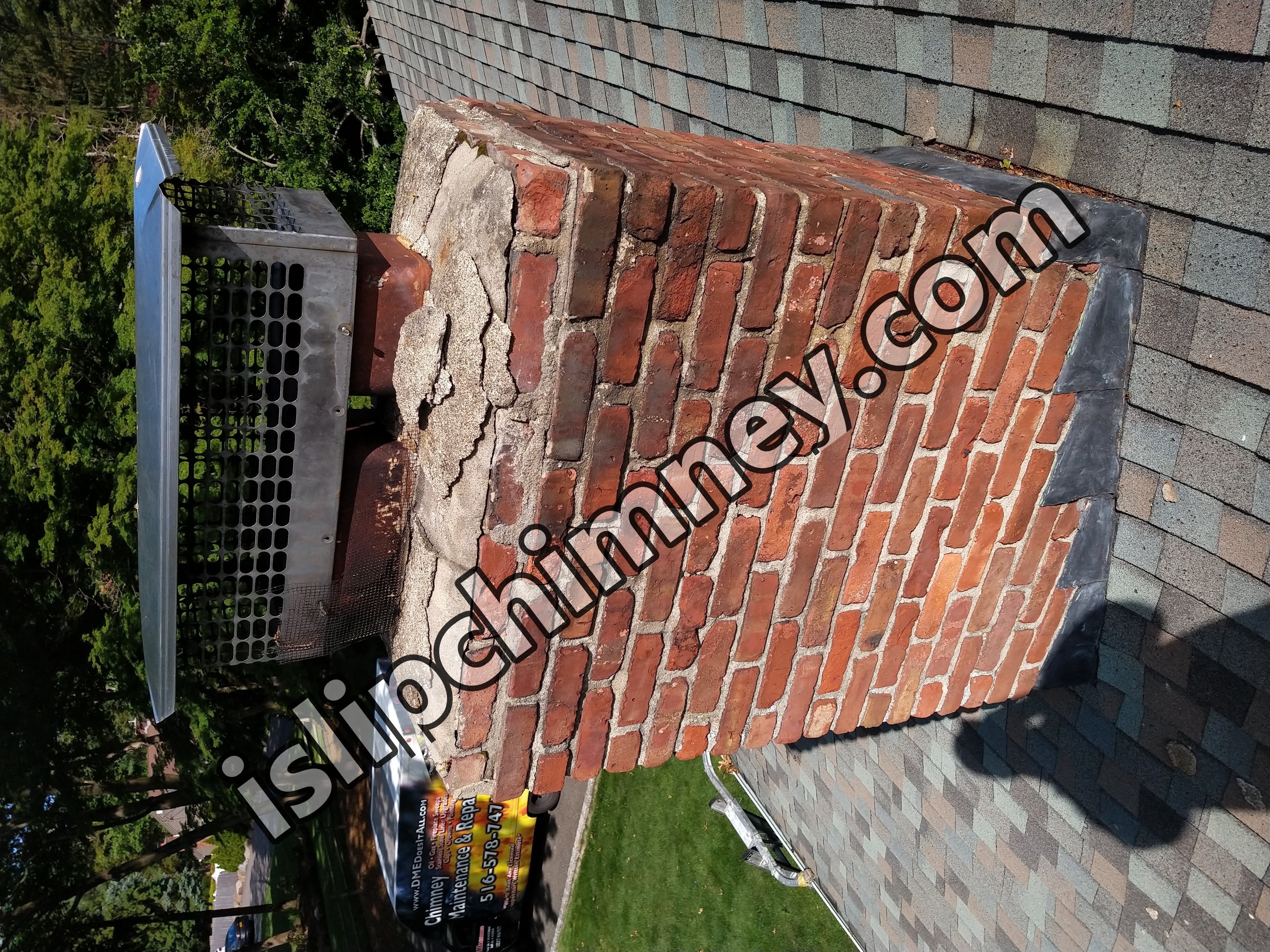
Chimney mortar doesn't last forever, especially on Long Island where freeze-thaw cycles work overtime to break down your masonry. When winter temperatures drop below freezing and then climb back up, moisture trapped in mortar expands and contracts repeatedly. This cycle weakens mortar joints year after year. If you own a home in Sayville, you've likely noticed this pattern. Spring and summer are ideal times to address mortar damage before next winter arrives. The warmer, drier conditions allow fresh mortar to cure properly and bond securely to your bricks.
Homes in Sayville were built across many different eras, and older chimneys face the greatest risk of deteriorating mortar. If your house was constructed decades ago, the original mortar may have reached the end of its lifespan. Water infiltration starts when mortar joints crack or crumble. Once water gets behind the brick, it causes internal damage that spreads quickly. You might notice water stains on interior walls near the chimney. You could see efflorescence—white, chalky deposits on the outside of your bricks. These are clear signs that mortar failure is allowing moisture inside your home.
Sayville residents face a unique challenge due to proximity to Long Island Sound and the bay. Salt air accelerates mortar deterioration beyond what inland homeowners experience. The combination of freeze-thaw cycles and salt spray creates aggressive weathering conditions. Your chimney's mortar joints simply don't hold up as well in this coastal environment. This means homeowners in Sayville should inspect chimneys more frequently than their neighbors further inland. Regular inspection helps catch problems early before they lead to costly structural repairs.
Pointing and tuckpointing are the right solutions for damaged mortar joints. This isn't a DIY task—improper mortar application creates worse problems down the road. The mortar mix needs to match your existing masonry composition. The brick type, the original mortar strength, and even the color all matter. Skilled masons understand how to remove deteriorated mortar without damaging surrounding bricks. We use specialized tools and techniques to clean out old mortar carefully. Then we fill joints with fresh mortar that's properly mixed and compacted.
Many homes on Long Island rely on oil heat systems, and chimneys connected to oil furnaces experience particular stress. Oil combustion creates condensation and acidic vapors that wear down mortar faster than wood-burning fireplaces. If your Sayville home has an oil heating system, your chimney mortar may be degrading right now. The combination of internal chemical exposure and external weather creates a double threat. Spring is the perfect window to address this problem. Waiting until fall leaves you vulnerable to winter moisture damage.
Water infiltration through failing mortar can damage more than just masonry. It can ruin interior drywall, insulation, and framing lumber. It promotes mold growth inside walls, which creates health concerns for your family. It weakens the structural integrity of your entire chimney system. Sayville homeowners understand the cost of water damage—the humidity near the water makes moisture problems worse. Catching mortar failure early prevents these cascading problems. Repointing is far more affordable than fixing water damage after it happens.
The freeze-thaw cycle on Long Island is relentless. Winter temperatures regularly drop below freezing while mortar still holds moisture from fall rain or snow. Moisture in mortar expands when it freezes, pushing outward against surrounding bricks. The pressure cracks and spalls the mortar. Spring thaw brings more moisture, continuing the cycle. Summer drying creates temporary relief, but every winter causes more damage. Homeowners in Sayville can break this cycle by repointing joints during warm months. Fresh mortar has a full season to cure and strengthen before winter stress returns.
Visual inspection tells the story of your chimney's mortar condition. Walk around your house and look at chimney joints from a distance. Do you see gaps where mortar has fallen out? Do bricks look loose or pushed inward? These are emergency-level problems. Now look more closely at the joints themselves. Crumbling mortar that crumbles under light pressure needs attention soon. Fine hairline cracks might be normal, but widening cracks signal deterioration accelerating. Sayville residents should perform this inspection in spring, while mortar is still damp from winter weather. Wet mortar shows problems more clearly than dry mortar.
DME Maintenance has served Long Island homeowners since 2001. We understand the specific challenges that homes in Sayville face. We've worked on countless chimneys in the surrounding Suffolk County, NY area. Our masons know how to match existing mortar and restore chimneys to lasting condition. We work during spring and summer when conditions favor proper mortar curing. we focus on meticulous work that protects your home for years to come. Your chimney deserves expertise that comes from two decades of hands-on experience.
The timing matters more than many homeowners realize. Summer repointing jobs cure faster and bond more securely than fall or winter work. Mortar needs warmth and dry conditions to develop full strength. Sayville summer weather provides ideal curing conditions. If you wait until fall, you're rushing your mortar's cure against an approaching cold season. If you call in winter, cold temperatures prevent proper curing altogether. Spring and summer are your window. This is when new mortar hardens correctly and creates a watertight seal that lasts.
Don't let deteriorating mortar drain your home's defenses against Long Island weather. Call DME Maintenance at 631-316-0622 today to schedule a chimney inspection. We'll identify mortar damage and discuss solutions clearly. Spring and summer are filling up fast—the best weather for repointing work happens now. Your Sayville home depends on a sound chimney structure. Protect your investment by acting now while conditions are right. Reach out to DME Maintenance today.