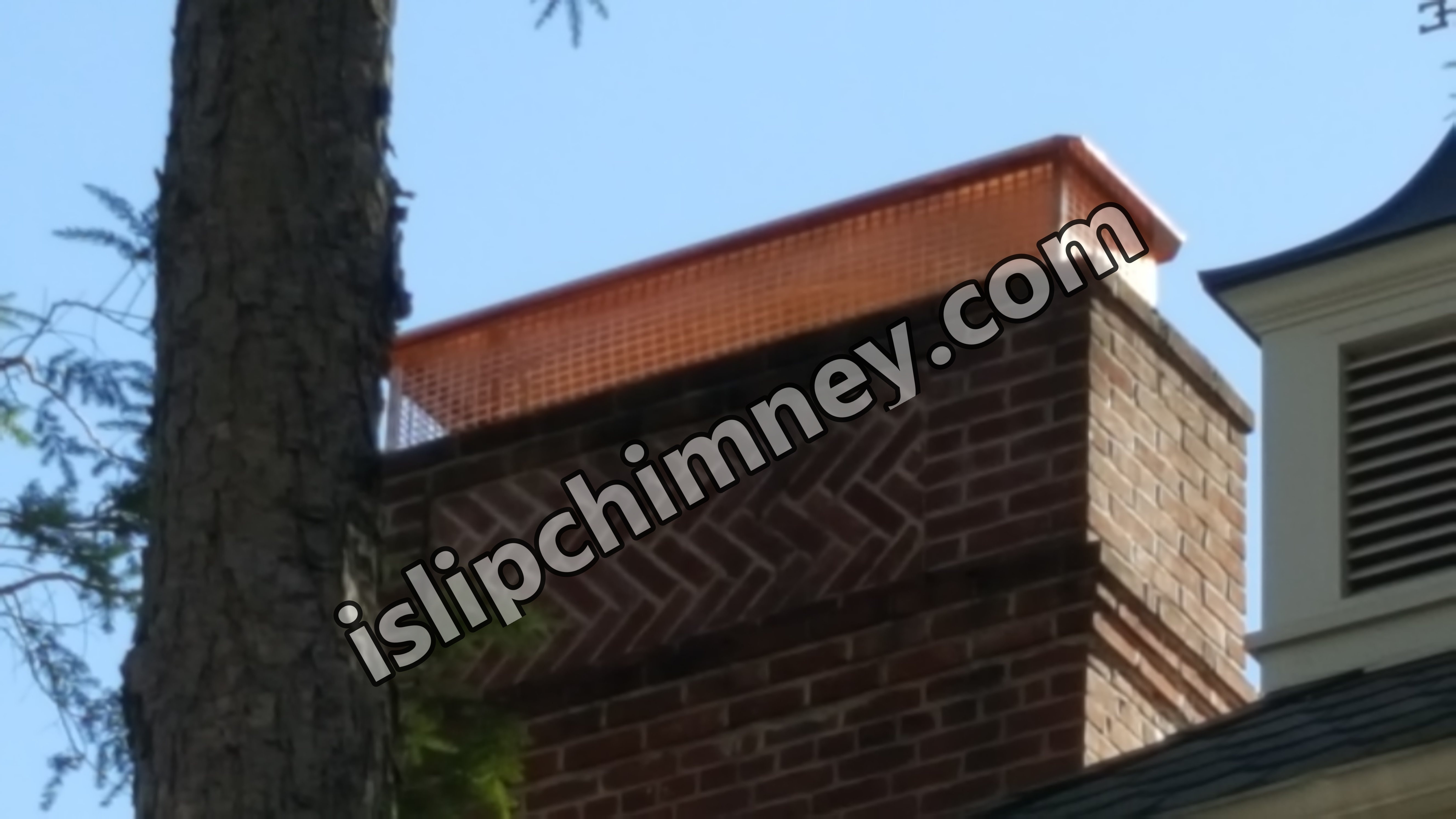
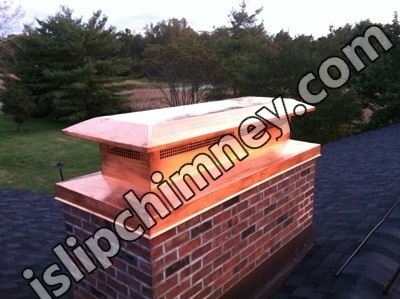
Your chimney cap doesn't get much attention until something goes wrong. Most homeowners on Long Island don't think about this small metal fixture sitting at the peak of their roof. Yet it works year-round to keep your entire heating system safe. When it fails or goes missing, you're looking at water damage to masonry, deteriorated flue liners, and expensive interior repairs that could have been prevented for a fraction of the cost.
Sayville homes are particularly vulnerable to chimney cap failures. Many of the older oil-heated houses in Sayville were built with chimneys that have seen decades of weather exposure. The combination of salty air near Long Island Sound, freeze-thaw cycles during winter, and heavy spring storms creates constant stress on metal caps. Over time, corrosion eats through the fasteners. Wind damage loosens mounting hardware. Caps that were never properly installed or fitted eventually shift. When a homeowner calls us, it's often because water has already pooled inside the flue or animals have already nested in the chimney.
The most visible damage happens after heavy rain. Water enters the chimney without a functional cap and runs down the interior walls. This moisture reaches the damper, rots the wooden frame around the fireplace opening, and eventually seeps into your walls. Homeowners in Sayville with finished basements see water stains on ceilings directly below the chimney. Those with attic access find water damage around the flue opening. By the time you notice the problem, weeks or months of moisture exposure may have already started the decay process inside your masonry.
Animal intrusion is equally serious, though it happens quietly. Raccoons, squirrels, and birds find an open or damaged chimney cap to be an ideal entry point. Once inside, they nest in the flue and create blockages. Their droppings, nesting material, and decomposed remains accumulate over time. When you light a fire, smoke backs up into your home instead of venting outside. The smell becomes unbearable. Worse, animals inside your flue can chew through the damper mechanism and create pathways into your walls and attic. Residents of Sayville who've dealt with animal removal from chimneys always wish they'd replaced the cap sooner.
Debris accumulation without a cap is relentless. Every windy day, leaves and twigs get sucked into the flue opening. After storms, branches break off nearby trees and fall directly in. Autumn becomes particularly problematic, with leaves constantly entering the chimney. This debris blocks proper ventilation and reduces your furnace's efficiency. Over the heating season, homeowners in Sayville with damaged caps notice their oil furnace runs longer and costs more to operate. The blockage also increases fire risk, since creosote buildup happens faster when ventilation is restricted.
Storm damage affects chimney caps frequently on Long Island, where coastal weather patterns bring strong wind events throughout the year. Spring nor'easters, summer thunderstorms, and fall tropical systems all create conditions that damage caps. We've seen caps torn completely off by wind, bent so severely they no longer seal properly, and fasteners ripped from the chimney crown. After major storms, we receive numerous calls from Sayville homeowners who noticed their cap is missing or visibly damaged. The sooner you address this after a storm, the sooner you prevent water from entering your system.
A properly fitted replacement cap should match your flue opening dimensions precisely. Generic caps from hardware stores often don't seal correctly. They rust quickly. They lack the structural integrity needed to withstand on Long Island's weather. A quality cap features a hinged or removable design so it can be cleaned or inspected without removing the entire unit. The mesh screens should be fine enough to exclude small animals but large enough to allow proper draft. The top should slope to shed water away from the flue. These details separate a cap that lasts fifteen years from one that fails in three.
Sayville homeowners who heat with oil furnaces should check their chimney caps each spring and fall. These inspection windows let you catch problems before winter heating season or after summer storm season. Look for visible rust, bent or dented metal, missing fasteners, or debris accumulation around the opening. If you see any damage, call for a replacement rather than trying temporary fixes. A cap that's already compromised will only get worse as weather exposure continues.
DME Maintenance has served Sayville and throughout Suffolk County, NY since 2001. DME Maintenance has replaced hundreds of chimney caps in homes ranging from modest cottages to large properties with multiple flues. We understand the local climate and which cap styles hold up best against on Long Island's salt air and weather patterns. We show up on time, work efficiently, and leave your roof clean. Our owner, Douglas Eberling, stands behind every job his team completes. When you call, you get a real professional who cares about doing the work right, not rushing through it.
Don't wait for visible water damage or animal problems to address your chimney cap. If yours is more than ten years old, damaged, or missing, contact DME Maintenance at 631-316-0622 to schedule a replacement. We serve Sayville and the surrounding Suffolk County, NY area year-round, with particular attention to post-storm situations. Call 631-316-0622 today and protect your entire chimney system from the top down.