Sitting atop every chimney on Long Island is a single component that carries an enormous responsibility. The chimney crown functions as the primary shield against rain, snow, and seasonal moisture that would otherwise find its way into your flue, fireplace, and the interior structure of your home. Homeowners in Sayville often overlook this vital cap, even though the region's proximity to Long Island Sound and Atlantic weather patterns create relentless moisture challenges. When that crown fails, water penetration accelerates rapidly and can compromise masonry, damaging the flue system and creating costly repairs throughout your entire chimney structure.
The chimney crown sits where the masonry walls converge at the chimney's peak, creating a sloped surface that directs rainfall outward and downward. A properly constructed crown extends beyond the masonry edges, dripping water away from the vertical walls rather than allowing it to cascade down and seep into mortar joints. The design is straightforward, but execution matters immensely. Many homes in Sayville were built decades ago when crown construction standards differed significantly from today's understanding of water management. Those older crowns often lack proper slope, adequate overhang, or quality materials, making them particularly vulnerable to the freeze-thaw cycles that dominate Suffolk County, NY winters.
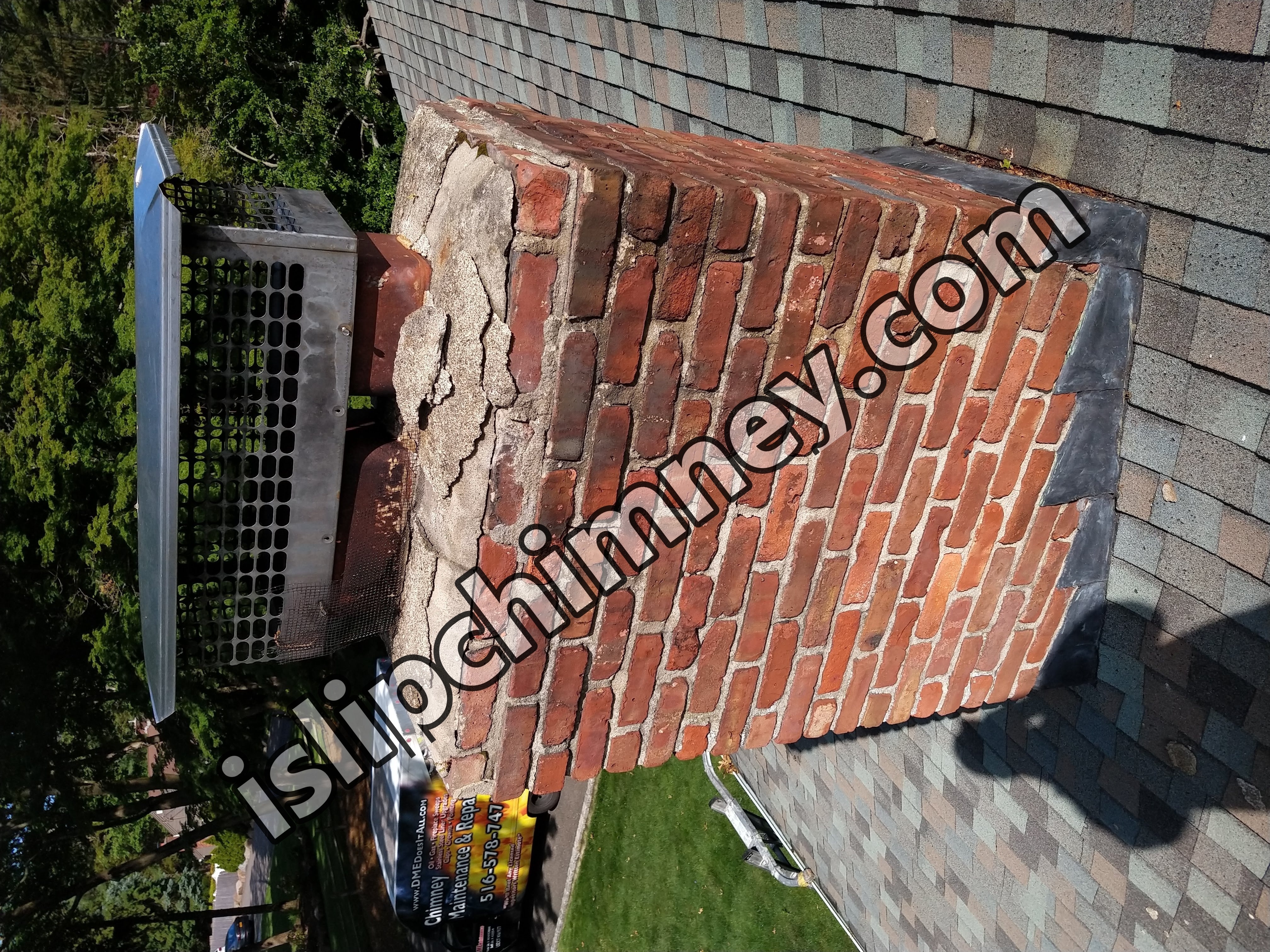
Cracks in the chimney crown represent the most visible sign of failure. These fissures widen each winter when water enters them, freezes, and expands with tremendous force. A crack that measures one-eighth inch wide this fall can become one-half inch by spring if left unrepaired. Residents of Sayville who heat their homes with oil systems and rely on wood-burning fireplaces during cold months put extra stress on their chimneys through regular use. That added thermal stress, combined with freeze-thaw expansion, accelerates crown deterioration. What begins as a hairline crack can eventually allow water to drench the interior flue and damage the surrounding masonry irreversibly.
Water entry through a cracked crown doesn't just affect the chimney itself. When moisture seeps past the crown, it travels downward through mortar joints and into the chimney's interior structure. This water can reach the roof framing where your chimney penetrates the roofline. Homes in Sayville are frequently surrounded by mature trees and sit relatively close to the water table common throughout Suffolk County. The combination of persistent moisture in the local environment and a compromised crown creates ideal conditions for rot in wooden framing members. Beyond structural damage, this moisture can eventually migrate into adjacent interior walls, leading to mold growth and indoor air quality problems that extend well beyond your chimney itself.
The seasonal timing of crown failure often catches Sayville homeowners by surprise. Early autumn seems like the perfect time to prepare for winter, yet many residents focus on furnace maintenance or weatherstripping while neglecting the chimney crown. October and November bring frequent rains to Long Island as tropical systems pass offshore and cold fronts push moisture inland. This is precisely when a weakened crown allows water to accumulate at the flue opening. Once winter arrives and temperatures drop, that moisture freezes and thaws repeatedly, accelerating structural failure. By the time homeowners in Sayville actually use their fireplaces or oil heating systems in December, significant internal damage may have already occurred.
Inspecting your crown before the rainy season is straightforward but requires care. Walk around your home's exterior and look upward at the chimney top on clear days. Look for visible cracks, spalling (where pieces of concrete or mortar have broken away), or erosion along the edges. If your Sayville home was built before the 1980s, the odds favor finding some degree of deterioration. Older crowns often were constructed from simple mortar rather than reinforced concrete, making them inherently weaker and more susceptible to age-related breakdown. Even crowns that appear intact from ground level may have hairline cracks visible only from close proximity. Many homeowners in Sayville simply cannot safely climb to roof height, which is exactly why professional inspection matters.
At DME Maintenance, we've been serving Sayville and the surrounding Suffolk County area since 2001. Douglas Eberling built this company on the principle that chimney problems should be caught and addressed early, before they cascade into expensive structural repairs. DME Maintenance knows exactly what to expect from homes in Sayville and understands the specific environmental pressures that chimneys face in this region. We inspect crowns carefully, photograph any damage, and explain what we find in clear, straightforward terms. When repair is necessary, we rebuild crowns with modern materials and proper construction techniques that will protect your chimney for decades to come.
Don't wait until spring to address crown damage. The best time to repair a cracked or deteriorated crown is before the heavy rains and freezing temperatures of late autumn arrive. Call DME Maintenance at 631-316-0622 today to schedule an inspection. Our experienced team will climb safely to your roofline, examine your chimney crown thoroughly, and recommend the right solution for your Sayville home. Protecting your chimney now prevents far costlier damage later in the season. Contact us today at 631-316-0622 and let us help you keep water out of your chimney system where it belongs.
The materials used in crown construction directly influence how long your investment lasts. Older crowns on Sayville homes were often built from lime mortar, a softer material that erodes steadily when exposed to weather and salt air. Homes in Sayville sit within reasonable distance of maritime influence, and that salt-laden atmosphere accelerates mortar degradation. Modern crowns use Portland cement-based concrete with reinforcing wire mesh, creating a much stronger and longer-lasting assembly. The difference in durability between these two approaches is substantial. When we rebuild a crown, material selection determines whether your repair will last fifteen years or thirty. Homeowners in Sayville understand the value of choosing quality materials upfront rather than accepting a temporary fix that requires replacement within a decade.
Water staining on your chimney's exterior masonry or on interior walls adjacent to the chimney often indicates that crown failure has already progressed beyond the visible surface. Even if you don't see obvious cracks from ground level, the presence of water marks suggests that moisture is finding its way past the crown's perimeter. Sayville residents who notice rust-colored staining on white mortar or discoloration patterns on the exterior face should treat this as an urgent signal. The staining itself is relatively harmless, but it points to water movement that will eventually compromise mortar strength and structural integrity. Interior wall staining near the chimney is even more serious, indicating that water has penetrated deeply enough to affect the home's interior spaces. This progression happens gradually but relentlessly once a crown begins to fail.
The relationship between your chimney crown and the surrounding flashing creates another critical consideration. Flashing is the metal trim that seals where your chimney penetrates through the roof deck, and it must work in concert with the crown to shed water effectively. If your crown lacks adequate overhang or doesn't slope correctly, water can run backward toward the flashing instead of away from it. This forces flashing to manage far more water than it was designed to handle, overwhelming its capacity and allowing leaks into the attic space. Homes in Sayville with this combination of problems frequently experience winter water intrusion that homeowners initially blame on roof leaks rather than chimney crown defects. Addressing the crown often solves mystery leaks that have troubled homeowners for seasons, eliminating the need for expensive roof repairs.