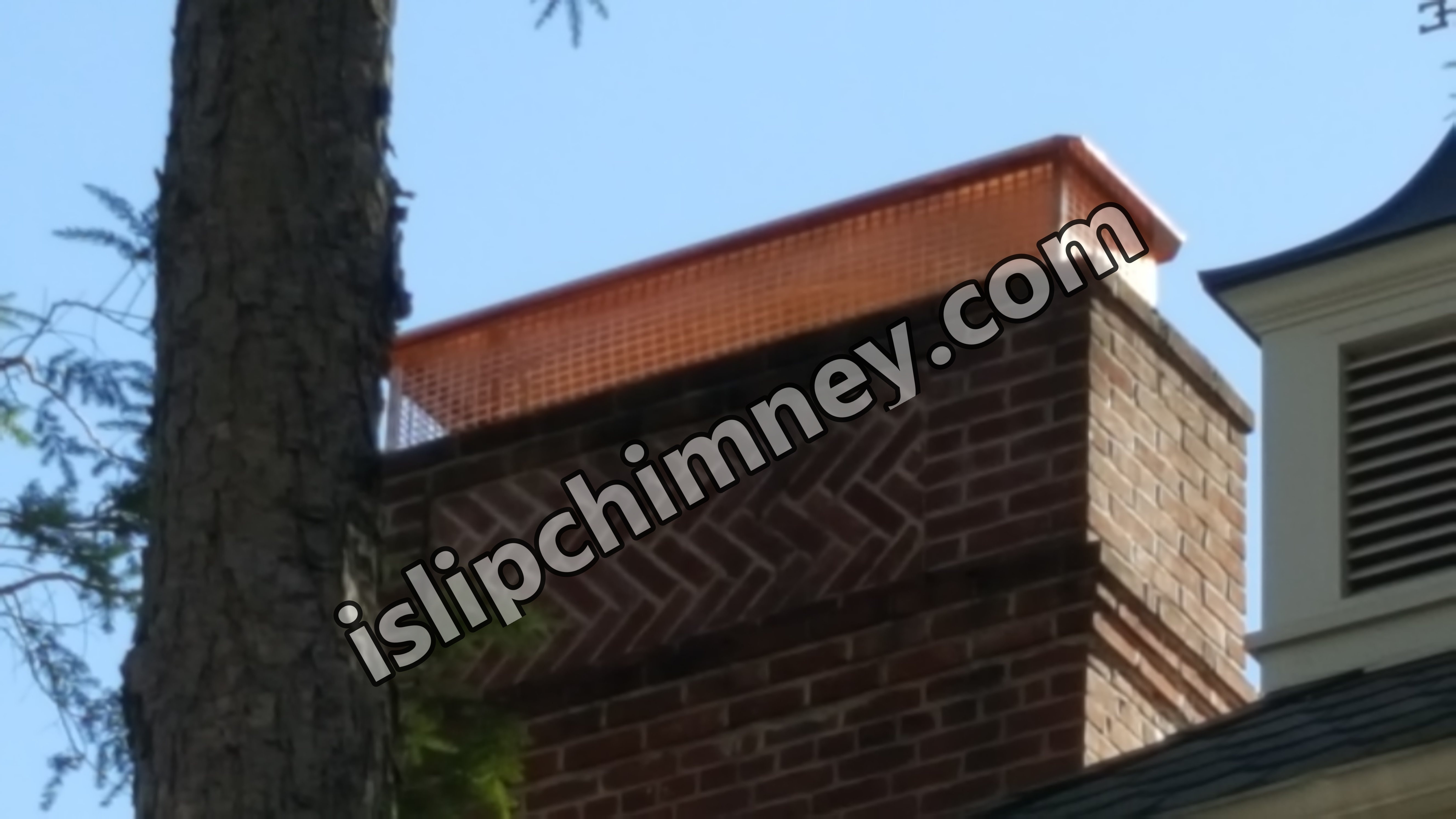
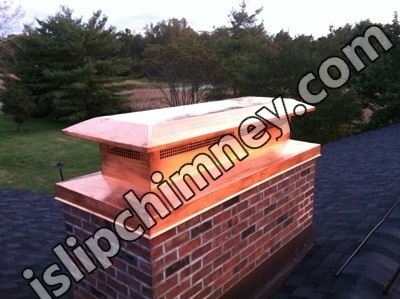
Your chimney cap might be the smallest structure on your roof, yet it's doing one of the hardest jobs. Think of it as your chimney's first line of defense against everything the Long Island weather throws at it. Rain, snow, wind, and debris all funnel toward that opening at the top of your flue. Without a proper cap, water seeps down into the brick, mortar, and interior damper. That moisture begins freezing and thawing with each seasonal shift on Long Island. Eventually, freeze-thaw cycles crack the masonry and corrode metal components deep inside your chimney system. Homeowners in Islip often discover this damage only after water stains appear on their ceiling or walls during the next rainstorm.
The houses in Islip range widely in age, from mid-century ranch homes to newer colonial-style residences. Many Islip residents heat their homes with oil furnaces and traditional fireplaces, especially as we head into autumn and winter months. That combination means your chimney gets regular use and exposure to weather. A missing or damaged cap allows rain and melting snow to enter the flue, creating an environment where rust forms on the damper and firebox. Water pooling at the base of your chimney can also compromise the foundation support around your hearth. The cap replacement process stops these problems before they become expensive repairs.
Beyond water damage, chimney caps serve a critical second function: keeping animals and birds out of your flue. Raccoons, squirrels, and various bird species treat an uncapped chimney as an open invitation. Once inside, they build nests that block airflow and create fire hazards. Birds especially can cause serious problems, as their nest materials are highly flammable. Islip homeowners often don't realize animals have moved in until they hear scratching sounds or notice a foul odor coming from the fireplace. By then, the nesting material has accumulated deep in your flue. Removing it becomes a more involved and costly process than installing a cap would have been.
Severe weather on Long Island, particularly nor'easters and coastal storms, puts extra stress on chimney components. Wind can damage or dislodge a weak cap, leaving your flue exposed. After storms, we receive many calls from Islip residents noticing their caps have shifted or cracked. The combination of wind gusts, heavy rain, and debris flying around creates hazardous conditions for your chimney structure. A well-installed cap distributes wind load more effectively and resists damage from falling branches. During storm season, having a solid, secure cap provides confidence. Residents in nearby West Islip and Bohemia face the same coastal weather challenges.
Leaves, twigs, and other airborne debris are constant problems on Long Island, especially during fall. Your chimney's opening acts like a funnel for every piece of debris that passes overhead. Leaves pack into the flue and restrict airflow, reducing the efficiency of your heating system. In winter, when homes in Islip rely on their fireplaces for supplemental heat or emergency warmth, a debris-clogged chimney becomes a serious liability. Worse, dried leaves and twigs inside the flue create a fire hazard. A chimney cap with mesh or screening prevents this debris from entering while still allowing smoke and gases to exit safely. The cap basically filters the air entering your chimney system.
The material and design of your cap matter significantly for Long Island's specific climate. Stainless steel caps resist rust better than cheaper alternatives, which is important given our humid air and proximity to salt water. Homes in Islip near Islip Terrace and Oakdale experience similar salt-air corrosion challenges. A cap with proper clearance from the flue opening ensures that smoke exits efficiently without blow-back into your living space on gusty days. Some caps also include spark arrestors, which prevent hot embers from exiting during fires. This is a worthwhile feature for homes with wood-burning fireplaces or stoves. The shape and slope of the cap also matter, as flat designs allow water pooling while sloped designs shed water away from the flue opening.
Homeowners throughout Islip have trusted DME Maintenance for chimney cleaning, liner installation, and masonry repairs since 2001. We are a local, Long Island-based, owner-operated company — not a franchise — so when you call, you reach someone who actually knows Islip and the surrounding communities.
DME Maintenance has been serving Islip and the surrounding Suffolk County, NY area since 2001. We understand the aging housing stock and typical heating systems throughout this region. We've seen firsthand the damage that missing or failing chimney caps cause to homes on Long Island. Whether your cap has rusted through, blown off in a storm, or was never installed, we can assess the situation and recommend the right replacement. We use quality materials built to last through Long Island's seasonal extremes. Our experience installing thousands of caps means we understand what works best for your specific chimney configuration and roof pitch.
Don't wait until water damage or animal intrusion creates expensive problems inside your chimney and home. Islip residents should inspect their caps each fall before heating season and after any significant storm. If you notice rust, damage, or missing sections, contact DME Maintenance right away at 631-316-0622. We'll send a technician to examine your chimney and discuss replacement options that fit your needs and budget. The sooner you address a failing cap, the better you protect your entire chimney system and your home's structural integrity.